Is the Peak Tram really the best way up?
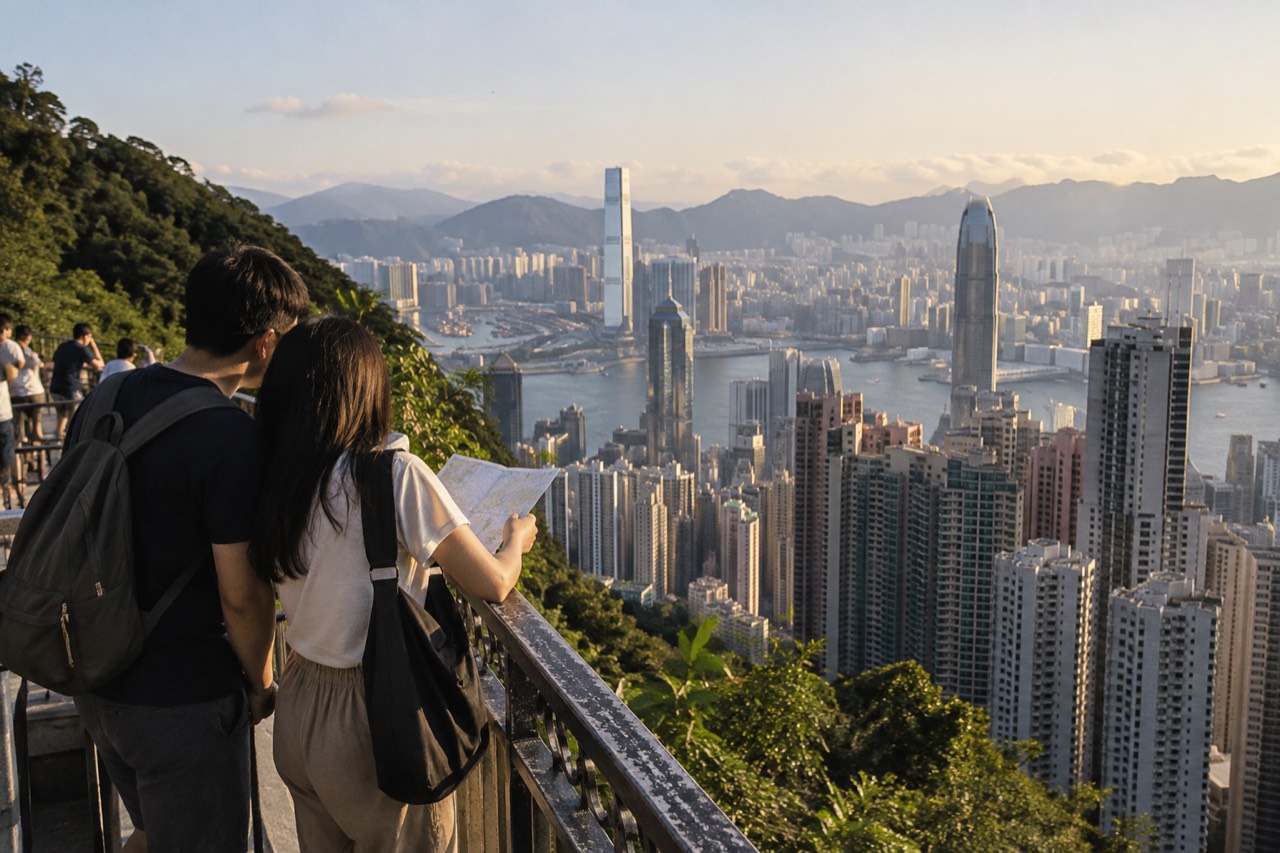
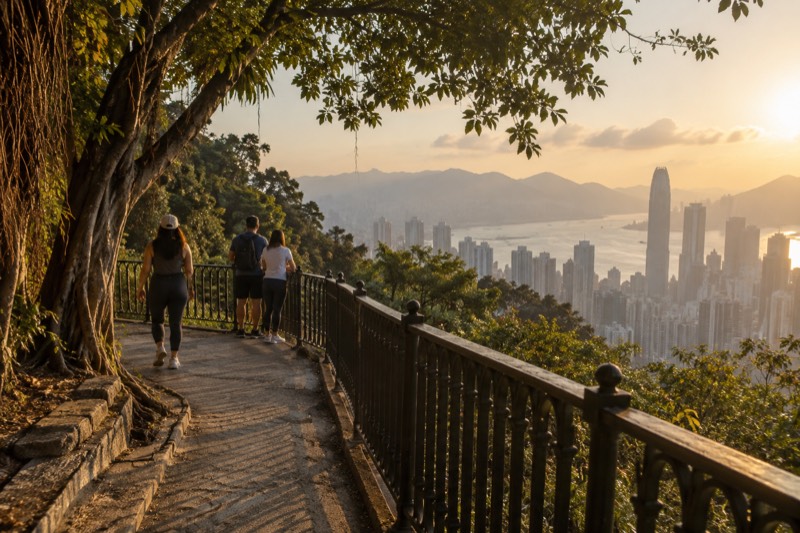
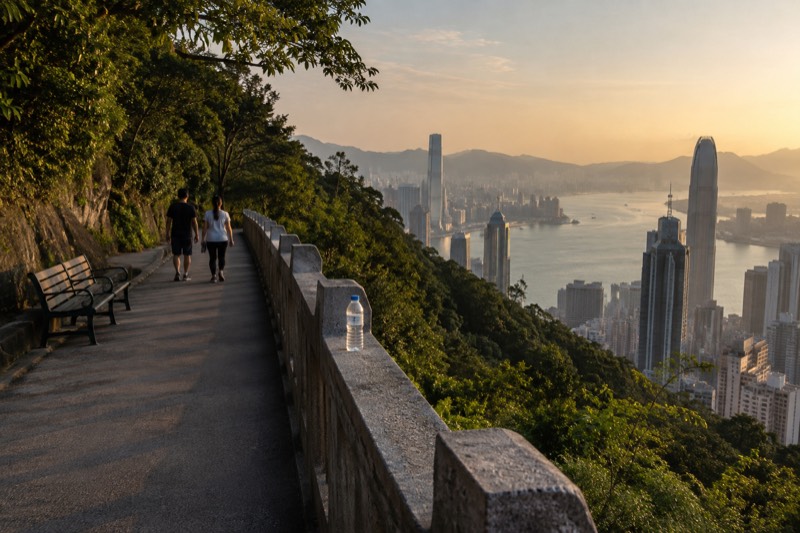
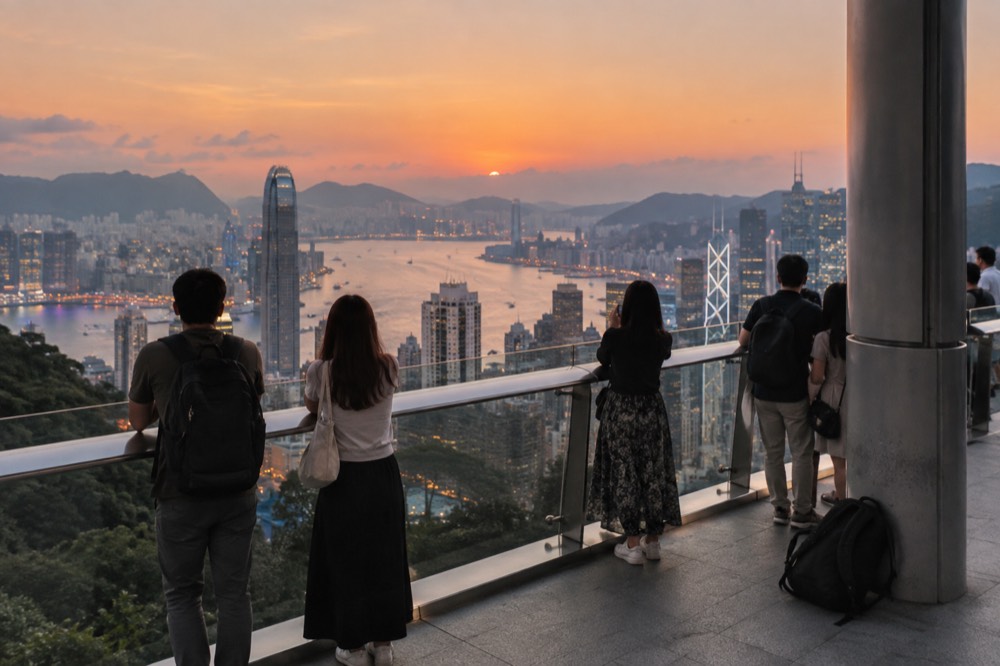
The paid viewpoint is the Sky Terrace 428 deck, sold as an option on the tram ticket. The free ones are the Peak Galleria rooftop deck, Lion's Pavilion, and the walking loop around Lugard and Harlech Roads. The tram ride itself is the other thing you pay for, and the cheapest option covers that ride alone, one way, for one adult.
How long does the tram ride take each way?
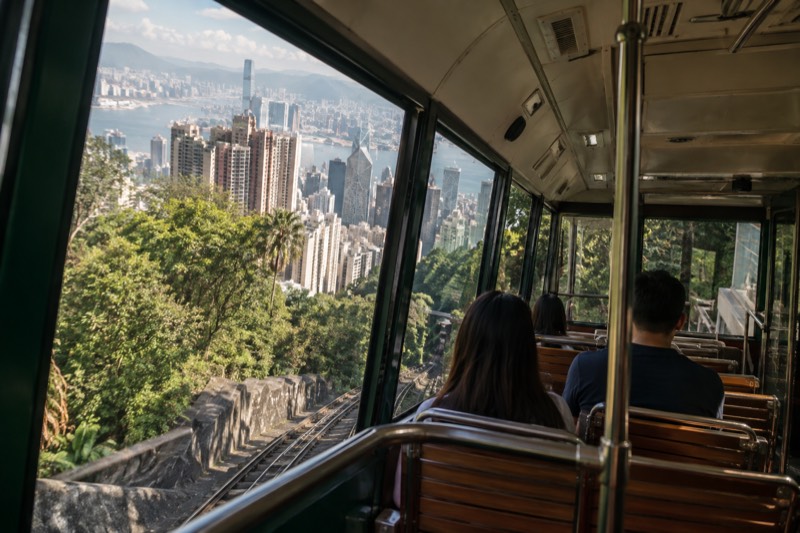
The tram ride itself runs about six minutes each way, which surprises many first-time visitors. Most people spend one to two hours at the top, taking in the viewing deck and the loop around Lugard Road. Add the queue for the tram and the journey back down, and a Peak visit fills a good half-day without much effort.
Where does the tram drop you at the top?
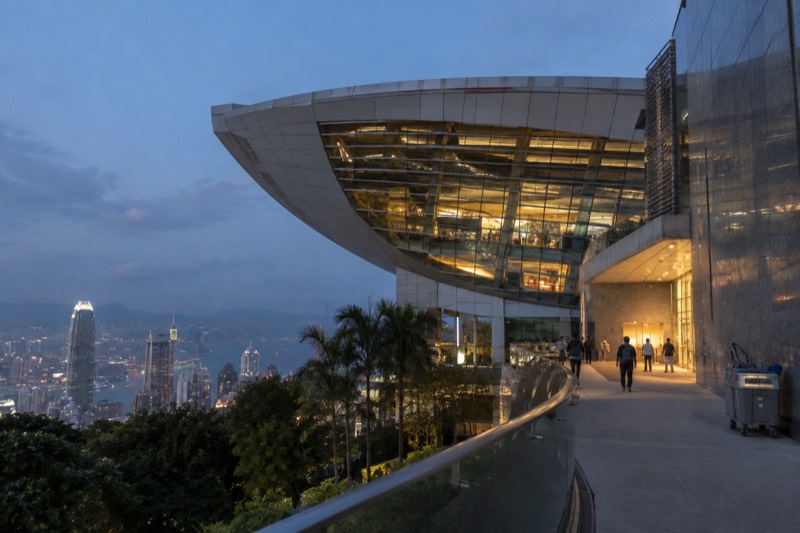
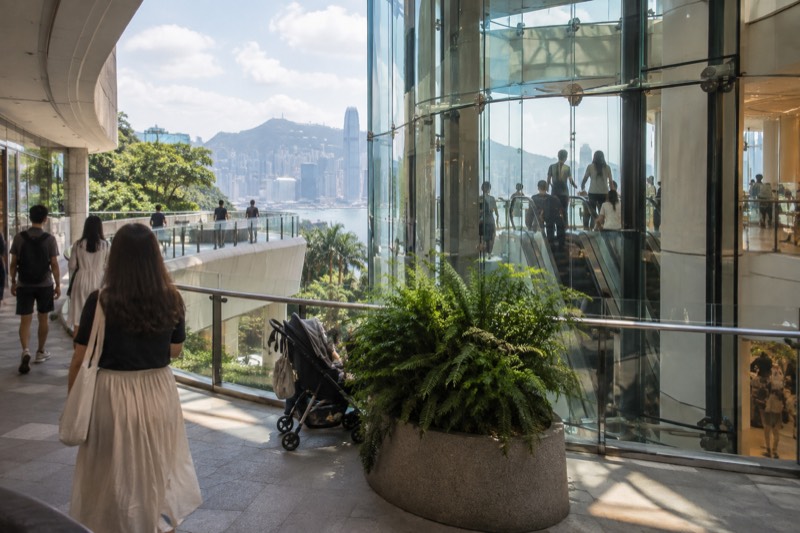
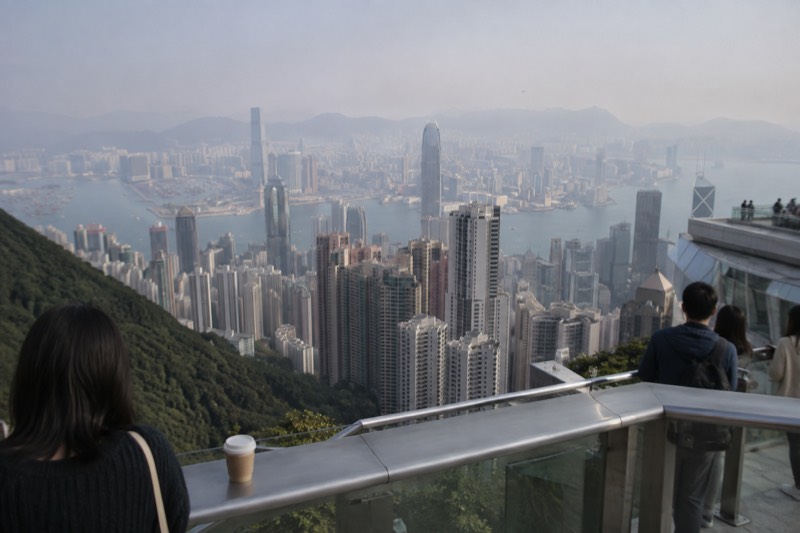
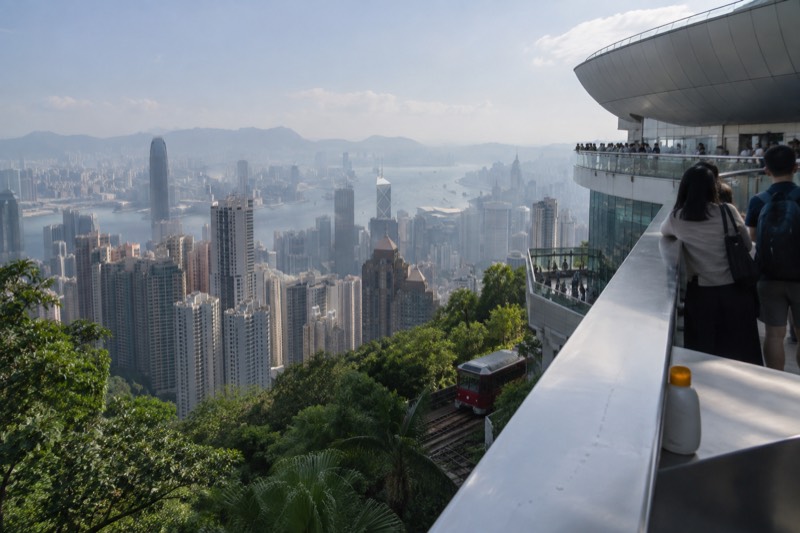
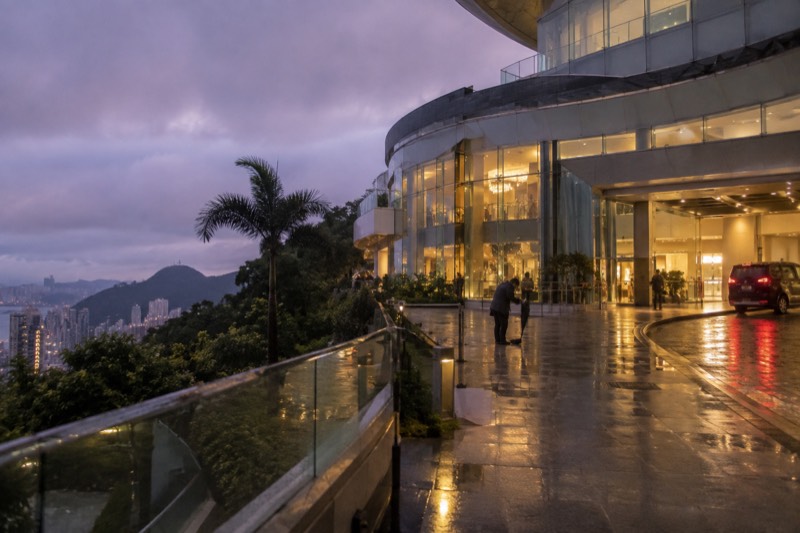
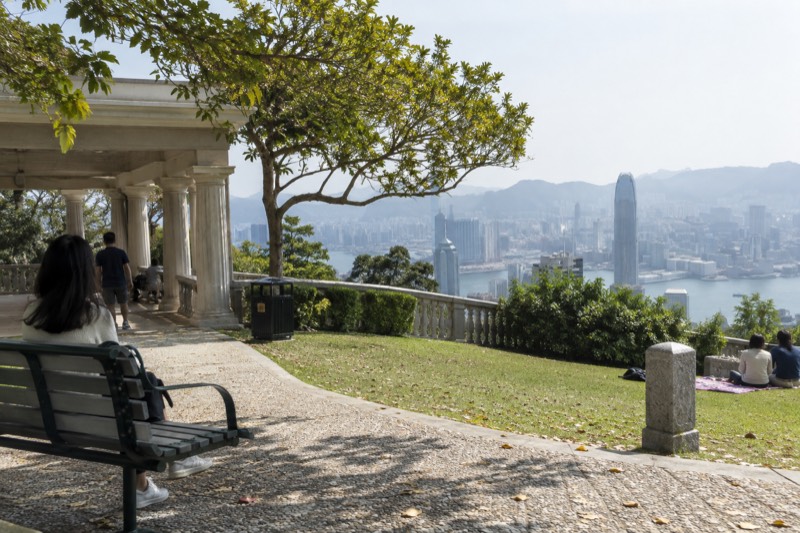
The tram ends at the upper terminus by the Peak Tower, where the Sky Terrace 428 deck sits on the roof. The Peak Galleria stands next door with its own free rooftop viewing deck, and the start of Lugard Road is a short walk away. Nothing at the top requires a ticket except the Sky Terrace itself, so you can wander the loop without paying anything more.
Is the Sky Terrace 428 deck worth it?
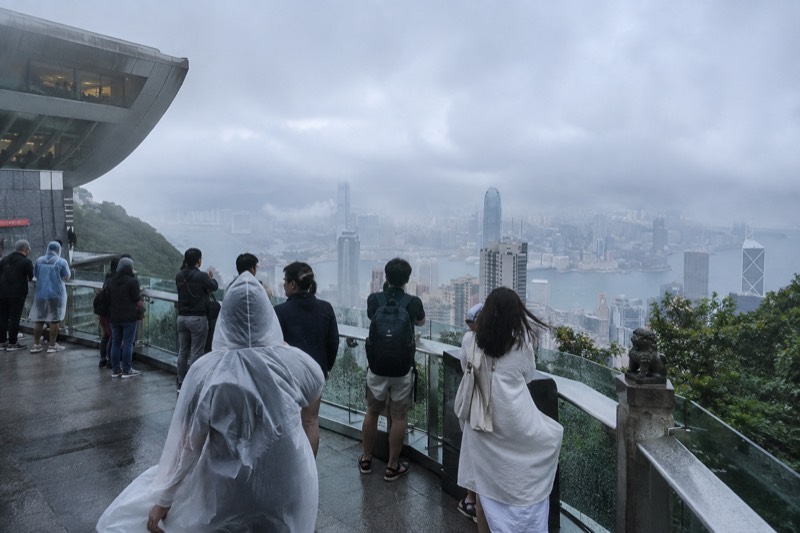
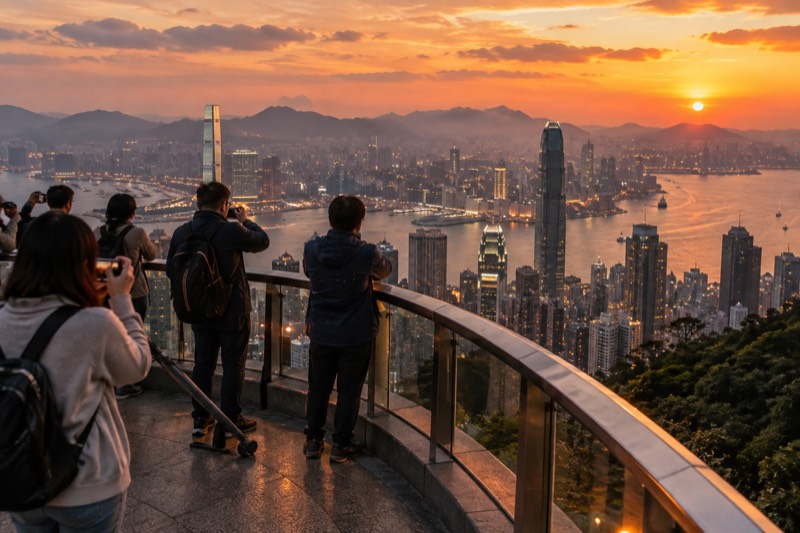
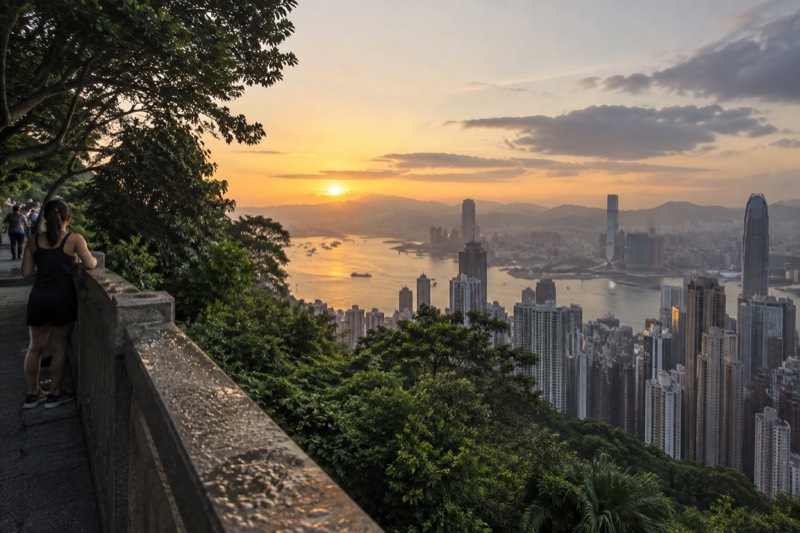
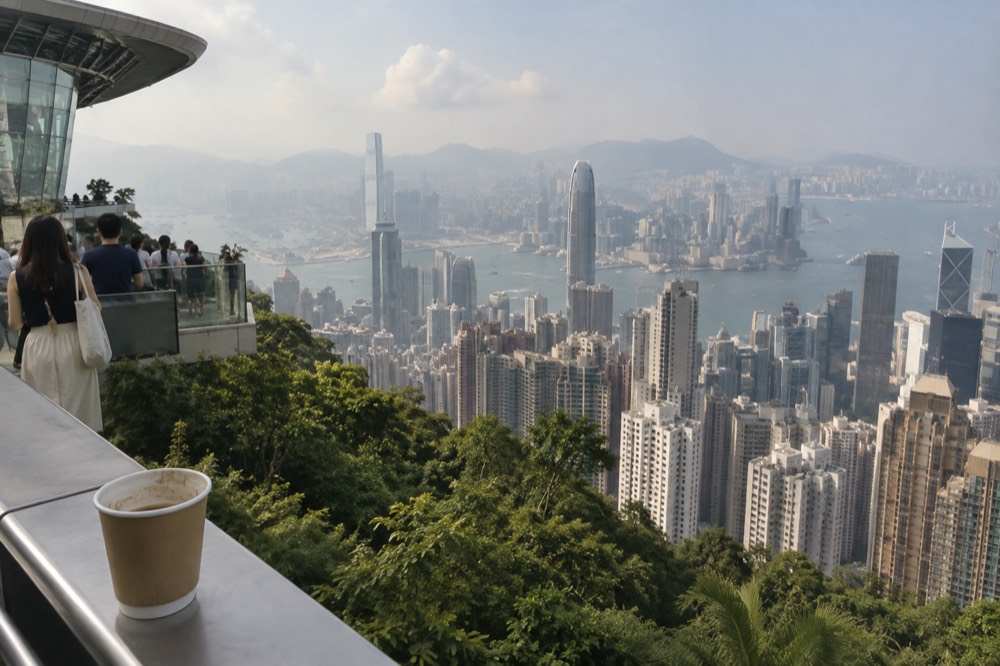
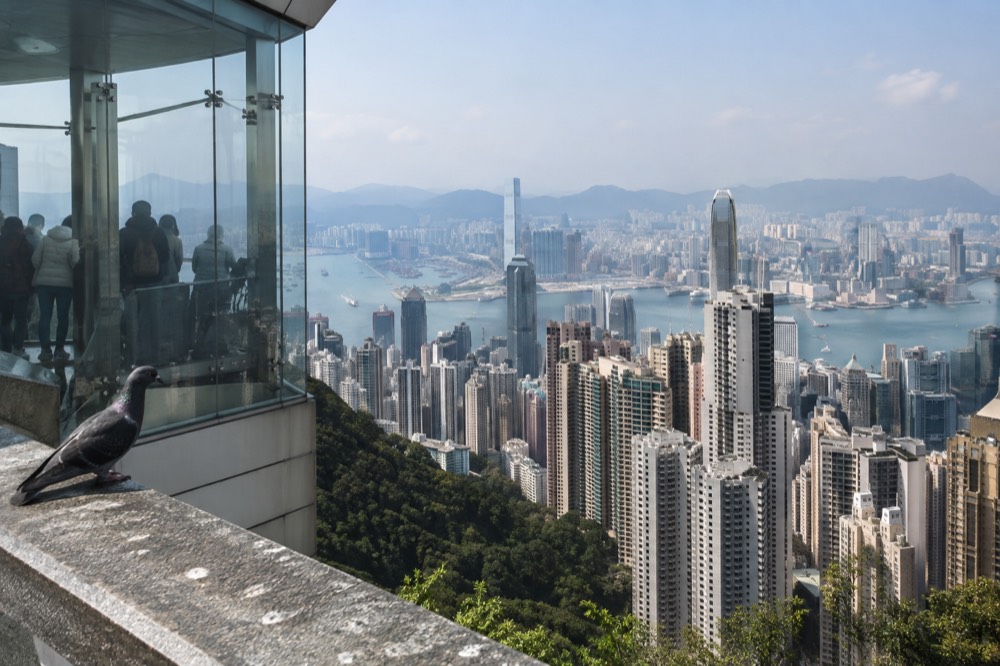
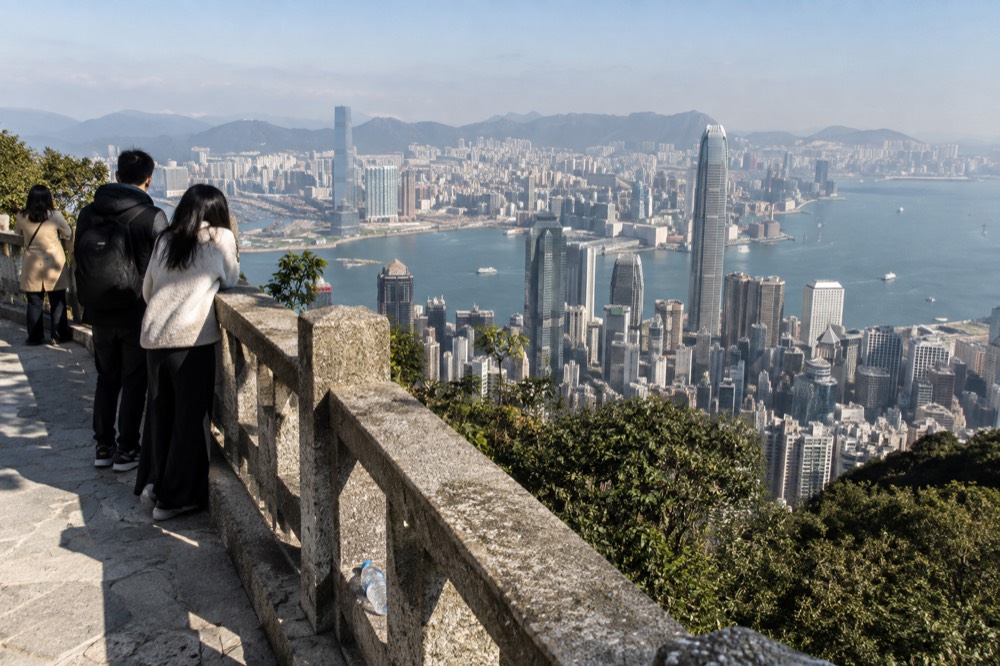
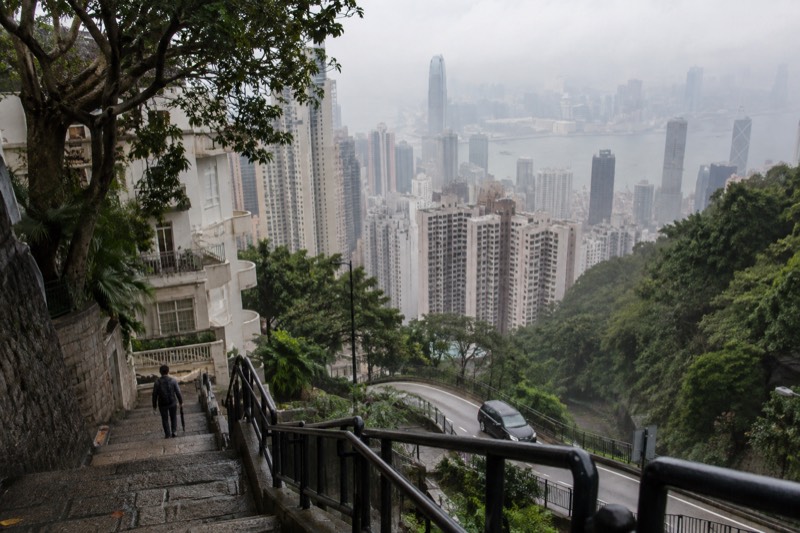
That depends on the day. The Sky Terrace sits on the Peak Tower roof at 428 metres, and the operator describes it as a 360-degree deck and, by the operator's own claim, the highest viewing platform in Hong Kong. On a clear evening the harbour view justifies the extra fare. When haze settles over the water, the free rooftop deck at the Peak Galleria next door gives a lower but still striking view for nothing, and some visitors regret paying twice for the same skyline. Check the live webcams before you decide.
What does a Peak Tram ticket cost?
The published from-price of $10.59 covers one adult on the cheapest option, which is the tram alone. Adding the Sky Terrace 428 deck, a return journey or any upgrade pushes the total higher. Prices move over time, so the live figures for each option sit on the booking page rather than here.
Does the ticket skip the tram queue?
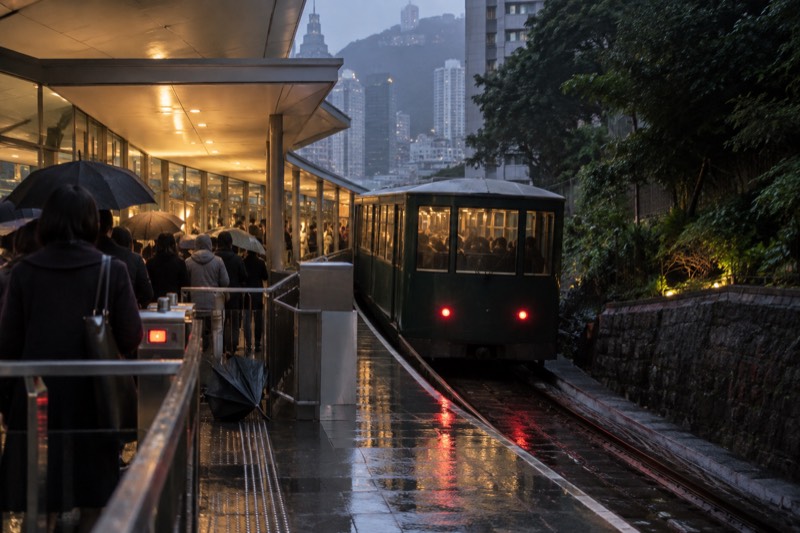
Not the boarding queue. Buying ahead means you skip the ticket counter, but the operator states plainly that pre-purchased tickets do not provide priority boarding, and boarding follows the queueing arrangement on the day. Wait times depend on how many visitors turn up, so travelling outside the busiest hours is the real advantage.
Who runs the tram and the Peak Tower?
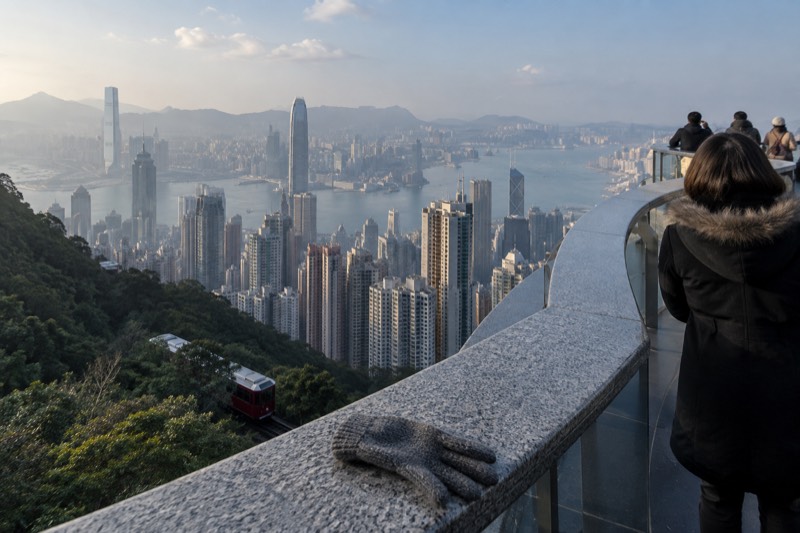
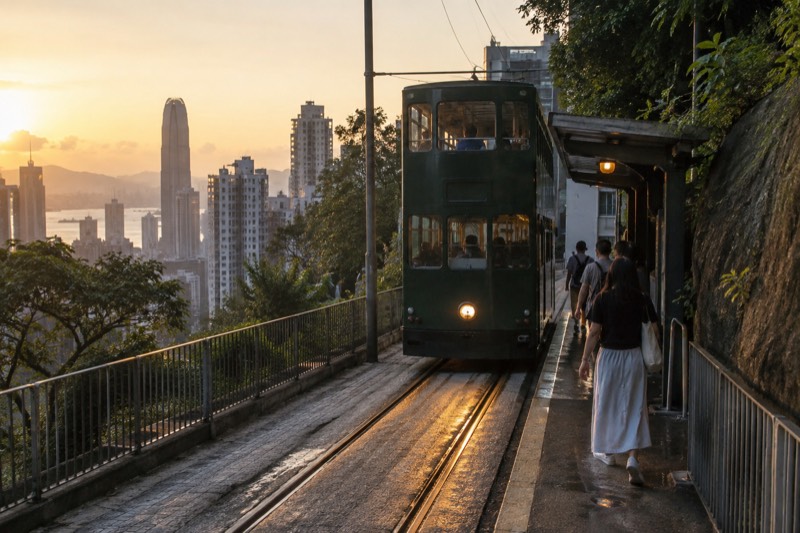
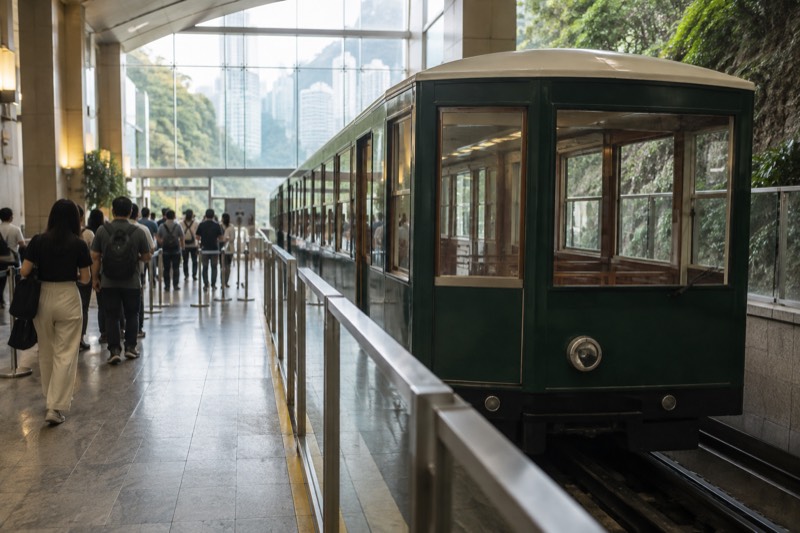
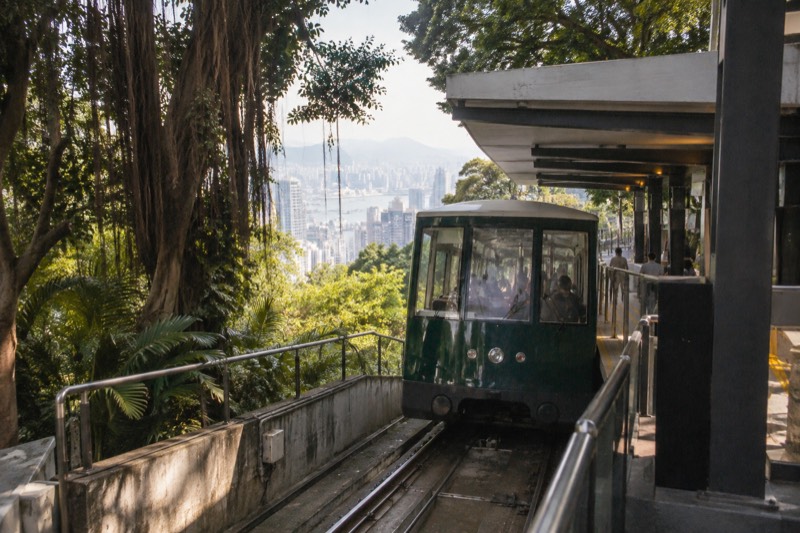
The Peak Tram is run by Peak Tramways Co Ltd, and The Peak Tower Ltd operates the tower and the Sky Terrace 428 deck. This is a transport and admission ticket, not a guided tour, so there is no commentary on board. The ride climbs at a maximum gradient of 25.7 degrees, steep enough that the buildings outside appear to tilt as the tram ascends.
How far ahead should you book the tram?
Tickets are tied to a chosen date, so there is little room for deciding on the spot during busy periods. The operator suggests coming before 3pm during non-peak hours to dodge the heaviest crowds. Booking a few days ahead is sensible in high season; on a quiet weekday you have more leeway, though the tram still runs to its published schedule either way.
Is the Sky Terrace included in the price?
Not in the from-price. The cheapest option covers the tram alone, and the Sky Terrace 428 is a separate admission you can bundle when you pick your option. The gate price for tram and deck together is higher than the tram alone, so read the option list on the booking page before assuming the headline figure buys both. The Lugard Road loop and the free Galleria deck cost nothing extra.
Can you reach the Peak without the tram at all?
Yes. Bus 15 from Central runs up to the Peak, minibus 1 does the same, and taxis will take you there, each without the tram's queue. Some travellers ride the tram up and take the bus down, which spreads the cost and gives two different views of the city on one trip. What the tram sells is not access, since the road reaches the same area at the top, but the ride itself: the gradient, the tilt, and the history of a funicular that first carried passengers in 1888.